



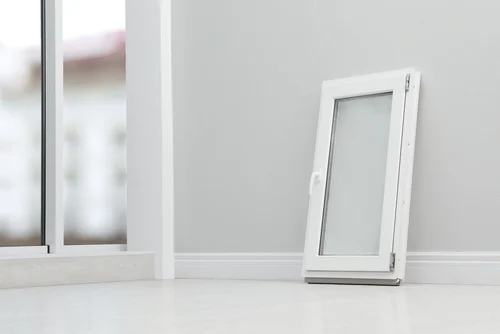
If white uPVC looks dull or yellow, first distinguish surface dirt from a change in the material or finish. Cleaning may remove dirt and some staining, but it cannot guarantee that aged or discoloured uPVC will become white again.
Check the finish before cleaning
White, coloured, coated and foil-wrapped frames can have different care requirements. Look for the window or door manufacturer’s instructions before choosing a product. Tell a cleaner about any coating, existing damage or previous treatment.
Start with a gentle approach
Where the manufacturer permits it, use a soft cloth and a suitable mild cleaner. Remove loose dirt gently, avoid rubbing grit into the finish and follow the instructions for rinsing and drying. Test a small inconspicuous area if the guidance requires it.
Do not assume that vinegar, bleach, abrasive powder or a solvent is compatible with every frame. Do not mix cleaning products. Follow the label and the frame manufacturer’s care instructions.
What if yellowing remains?
Persistent discolouration may relate to the material, age or finish rather than removable dirt. Repeated scrubbing or stronger chemicals can make the appearance worse. Ask the manufacturer or a specialist to assess the surface instead of promising that another cleaning mixture will restore the original colour.
Look after seals and hardware separately
Keep cleaning products away from areas where the manufacturer advises against their use. Seals, hinges, handles and locks may have separate maintenance requirements. Washing the frames does not repair damaged seals or failed glazing units.
Know when to ask for help
High windows, conservatory frames and roofline fittings may need professional access equipment. Do not stand on a conservatory roof or lean out to reach difficult areas.
For a cleaning quote, send photographs showing the frames, their finish, the staining and the height. Our uPVC cleaning service can discuss the areas you want included and the limits of what cleaning can achieve.